
For more than 140 years, Harris Thermal has fabricated heat exchangers, ASME pressure vessels, and custom thermal equipment for industry's most demanding applications. Today we support DOE contractors, utilities, SMR developers, and nuclear EPCs that require disciplined fabrication, material traceability, code compliance, and complete documentation packages.
Harris Thermal's involvement in nuclear-related fabrication is not new. Over the years, our team has supported projects tied to DOE initiatives, research institutions, and other demanding regulated environments — work that requires the same documentation rigor, material traceability, and quality discipline that the nuclear supply chain demands today.
As investment in advanced reactors, SMR deployment, and nuclear infrastructure accelerates, we are well-positioned to support that growth. Our fabrication history, shop capability, and ongoing NQA-1 program renewal efforts position us as a credible and experienced partner — not a shop learning the requirements for the first time.
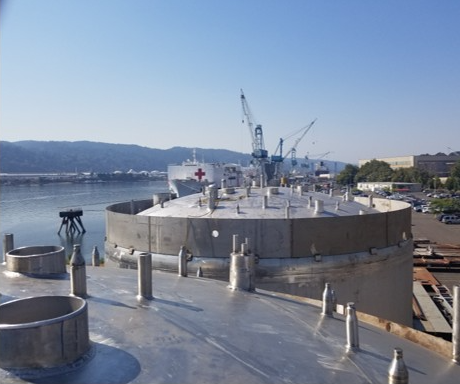
Engineering and fabrication under one roof. In nuclear work, design changes, fit-up decisions, and material substitution questions don't wait for an email chain between two separate shops.
TEMA-standard and custom configurations for nuclear and nuclear-adjacent applications. Fixed tubesheet, floating head, U-tube. Materials from carbon steel through high-nickel alloys, with bundle geometries engineered to your process data — not reverse-engineered from a catalog.
ASME Section VIII fabrication of reactors, separators, accumulators, surge tanks, and specialty vessels. Our engineers own the calculations, not just the weld procedures — supported by robust documentation, traceability, and quality controls.
Complete skid assemblies with structural steel, piping, instrumentation integration, and controls. When a single piece of equipment isn't what's needed, we build the balance-of-plant system around it.
Inconel 625, Ti Gr. 12, AL-6XN, 2205 duplex, Hastelloy C-276, titanium, high-alloy stainless. We fabricate what most shops decline — with material certifications, qualified weld procedures, and heat-specific traceability as standard practice.
Dedicated machining bay for tube sheet drilling, flange facing, nozzle prep, and precision fit-up without a secondary vendor. This compresses schedule and keeps dimensional accountability in one place — critical where chain-of-custody documentation matters.
Code-compliant repair of existing pressure equipment. Documentation, NDE, and R-stamp work for vessels requiring fitness-for-service evaluation — aging equipment assessed and repaired to a defensible standard.
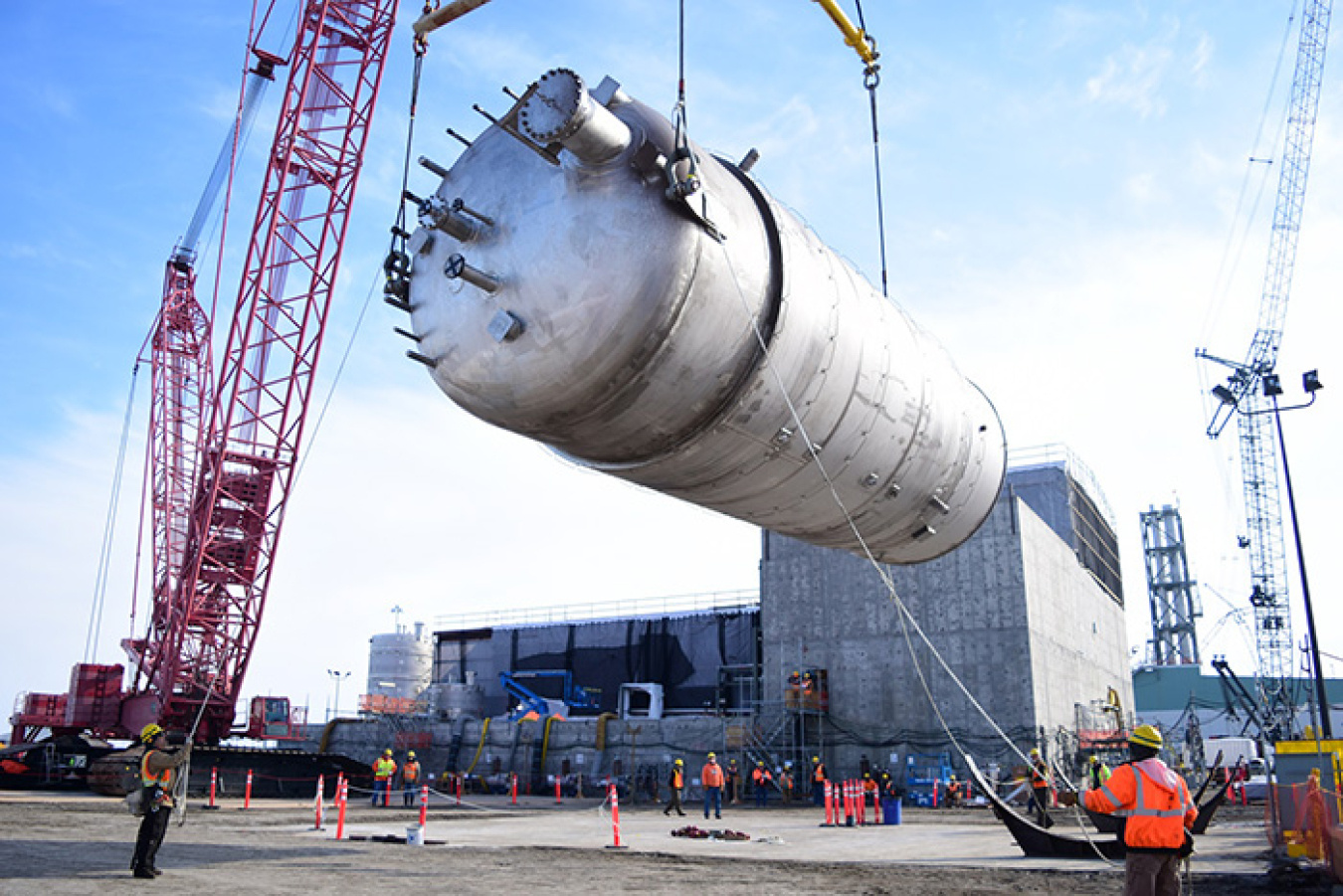
Harris Thermal has supported fabrication work tied to the Hanford Waste Treatment and Immobilization Plant — one of the largest environmental cleanup projects in the United States. Work of this nature demands stringent fabrication standards, documentation requirements, material control, and coordination within a highly regulated DOE environment.
DOE — More vessels arrive at Hanford WTP →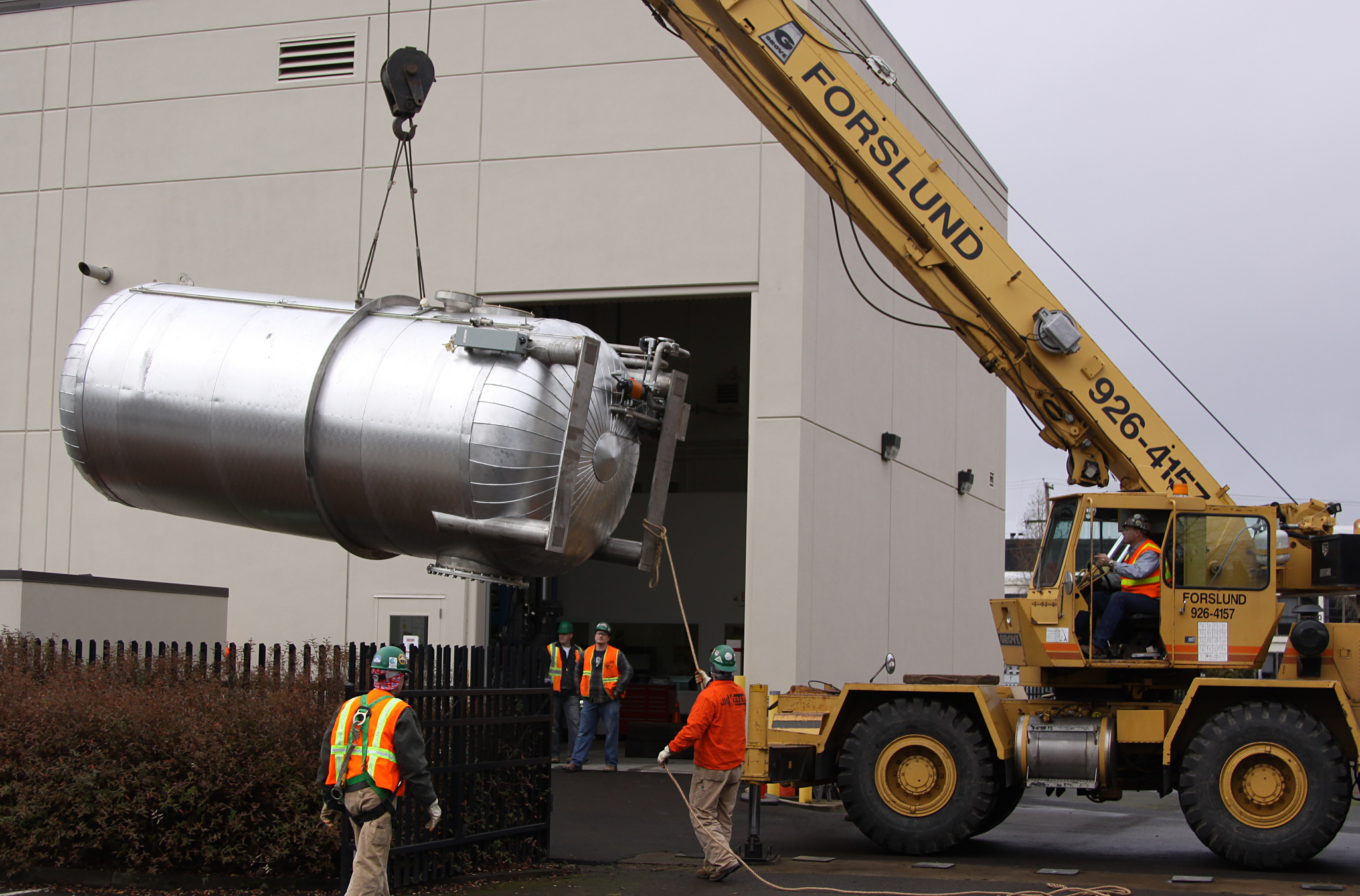
Harris Thermal has supported equipment fabrication connected to Oregon State University's advanced nuclear test facility — a project supporting development and validation of next-generation reactor technologies. This reflects the SMR thermal equipment and advanced reactor fabrication scope Harris Thermal is built to handle.
OSU — Construction begins on advanced nuclear test facility →Nuclear supply chain quality requirements exist because the cost of a field failure — in dose exposure, downtime, regulatory scrutiny, and schedule — is orders of magnitude higher than the cost of getting it right in the shop. Harris Thermal is currently renewing its NQA-1 quality assurance program, building on the quality systems that have supported regulated projects throughout our history. Contact our quality team to discuss project-specific qualification needs.
When you source a component from a shop with a mature nuclear quality assurance program, you're not just buying a piece of metal — you're buying a documentation trail that can survive a regulatory audit, an owner's inspection, and a design review years after delivery. Harris Thermal's program is built on that foundation, and we're investing to ensure it meets the demands of today's nuclear supply chain.
These are application areas where our fabrication capability maps directly onto nuclear supply chain needs — not aspirational reach, but logical extensions of what we have built throughout our history.
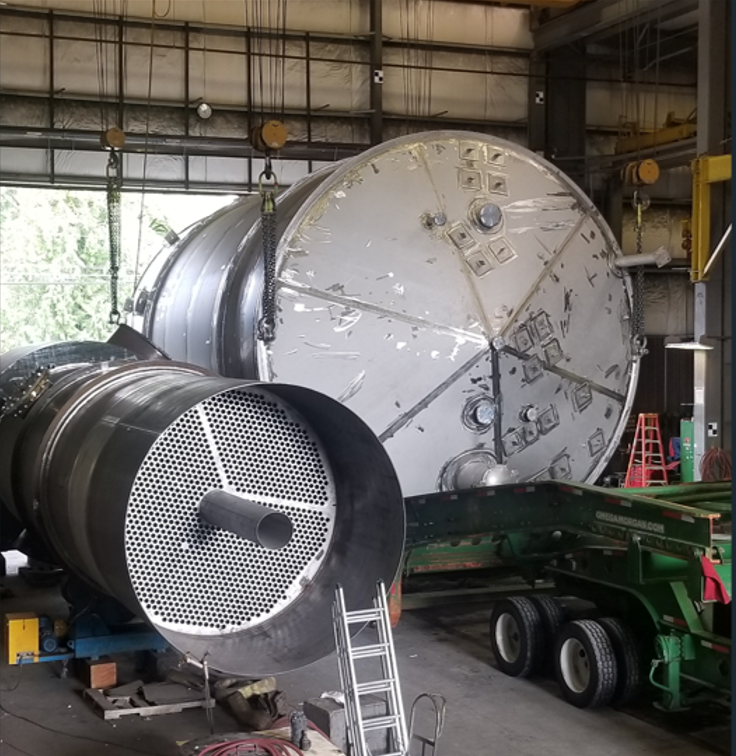
Balance-of-plant equipment with project-specific documentation and traceability requirements.
Replacement heat exchangers, pressure vessels, and outage-critical components.
Engineering-integrated SMR thermal equipment fabrication for novel reactor systems.
Fabrication support for DOE cleanup, research facility, and regulated infrastructure programs.
Qualified subcontract fabrication with audit-ready QA records and material traceability.
Custom thermal systems for national labs and advanced nuclear test facilities like OSU's.
Harris Thermal is actively renewing and strengthening its NQA-1 nuclear quality assurance program. We have a documented history of supporting nuclear and DOE-related fabrication work under rigorous quality requirements, and we are investing to ensure our program meets current nuclear supply chain expectations. For specific qualification requirements on your project, we encourage direct engagement with our quality team.
Harris Thermal is positioned to support balance-of-plant nuclear heat exchanger fabrication, ASME pressure vessels, custom thermal systems, and packaged equipment for nuclear EPCs, utilities, DOE contractors, SMR developers, and Tier 1 nuclear suppliers. Our scope centers on nuclear and nuclear-adjacent work — residual heat removal systems, component cooling water heat exchangers, spent fuel pool cooling equipment, secondary system vessels, and research facility thermal equipment — that does not require an ASME Section III N-Stamp.
Yes. Harris Thermal is an ASME-certified fabricator with decades of experience fabricating pressure vessels to ASME Section VIII. Our in-house engineering team owns the calculations, designs to code, and produces complete documentation packages — material test reports, weld records, NDE documentation, and hydrostatic test records. ASME pressure vessel fabrication is a core capability across our industrial, DOE, and nuclear-adjacent work.
No. Harris Thermal does not currently hold an ASME Section III N-Stamp. We are positioned around balance-of-plant equipment, nuclear-adjacent scope, and quality-assured fabrication that does not require N-Stamp certification. If your project requires N-Stamp fabrication, we will tell you directly and help you identify appropriate options rather than attempt work outside our qualified scope.
Yes. Harris Thermal has supported fabrication work tied to DOE initiatives including the Hanford Waste Treatment and Immobilization Plant and other regulated research and cleanup environments. As a DOE fabrication supplier, we understand the documentation requirements, material control standards, and quality system expectations these projects demand. Our ongoing NQA-1 program renewal further strengthens our ability to support DOE contractors, national laboratory customers, and government-funded nuclear programs.
Harris Thermal fabricates shell-and-tube heat exchangers, ASME pressure vessels, evaporators, condensers, packaged thermal systems, and custom process equipment for nuclear and nuclear-adjacent applications. Representative equipment types include residual heat removal heat exchangers, component cooling water systems, spent fuel pool cooling equipment, secondary system accumulators and surge tanks, and custom thermal systems for research facilities and advanced reactor programs.
Yes. Harris Thermal’s integrated engineering and fabrication model is well-suited for SMR thermal equipment and advanced reactor fabrication projects. These programs typically require a fabricator who can engage early in design, adapt to evolving specifications, build to tight tolerances, and deliver complete documentation packages. We have supported this type of work, and our ongoing NQA-1 program renewal aligns with the quality expectations of advanced reactor and SMR developers.
Harris Thermal fabricates equipment in carbon steel, stainless steel, duplex stainless (2205, 2507), AL-6XN, Hastelloy C-276, Inconel 625, titanium (Gr. 1, Gr. 2, Gr. 12), and other high-alloy and corrosion-resistant materials. Material certifications, heat and lot traceability, and qualified weld procedures are maintained for all materials — including those required under a nuclear quality assurance program.
Harris Thermal operates a 50,000 ft² fabrication and machining facility with 200,000 lb overhead crane capacity and bay doors 30 ft tall × 60 ft wide. We routinely fabricate large-diameter pressure vessels, heavy shell-and-tube heat exchangers, and multi-component skid assemblies requiring heavy lift and precision fit-up. The majority of fabrication and machining is performed in-house without subcontracting scope to outside shops.
Harris Thermal performs engineering design, plate and shell fabrication, welding, in-house machining, NDE coordination, hydrostatic testing, and quality documentation without subcontracting to outside shops. Our dedicated machining bay handles tube sheet drilling, flange facing, nozzle preparation, and precision fit-up. Keeping these capabilities under one roof compresses schedule, maintains dimensional accountability, and simplifies chain-of-custody documentation — all critical for regulated and documentation-intensive fabrication programs.
Early engagement produces better outcomes. When Harris Thermal’s engineering team is involved during design development, we can identify fabrication constraints, material options, and documentation requirements before they create schedule or cost problems. For nuclear, DOE, and advanced reactor projects where design changes are common and quality requirements are stringent, early supplier involvement reduces risk for the entire project team.
Yes. Harris Thermal regularly fabricates replacement shell-and-tube heat exchangers and replacement tube bundles for utilities and operating plants. We can work from existing drawings, field measurements, or reverse-engineered specifications. For outage-critical replacement equipment, our integrated engineering and fabrication team compresses turnaround timelines while maintaining code compliance and complete documentation aligned with project-specific quality requirements.
Bring your scope. We'll tell you honestly what fits our program and what doesn't — and give you a straight answer on what our team can execute.